Luke Reihana is preparing to wrangle food rescue and rugby roles this year.
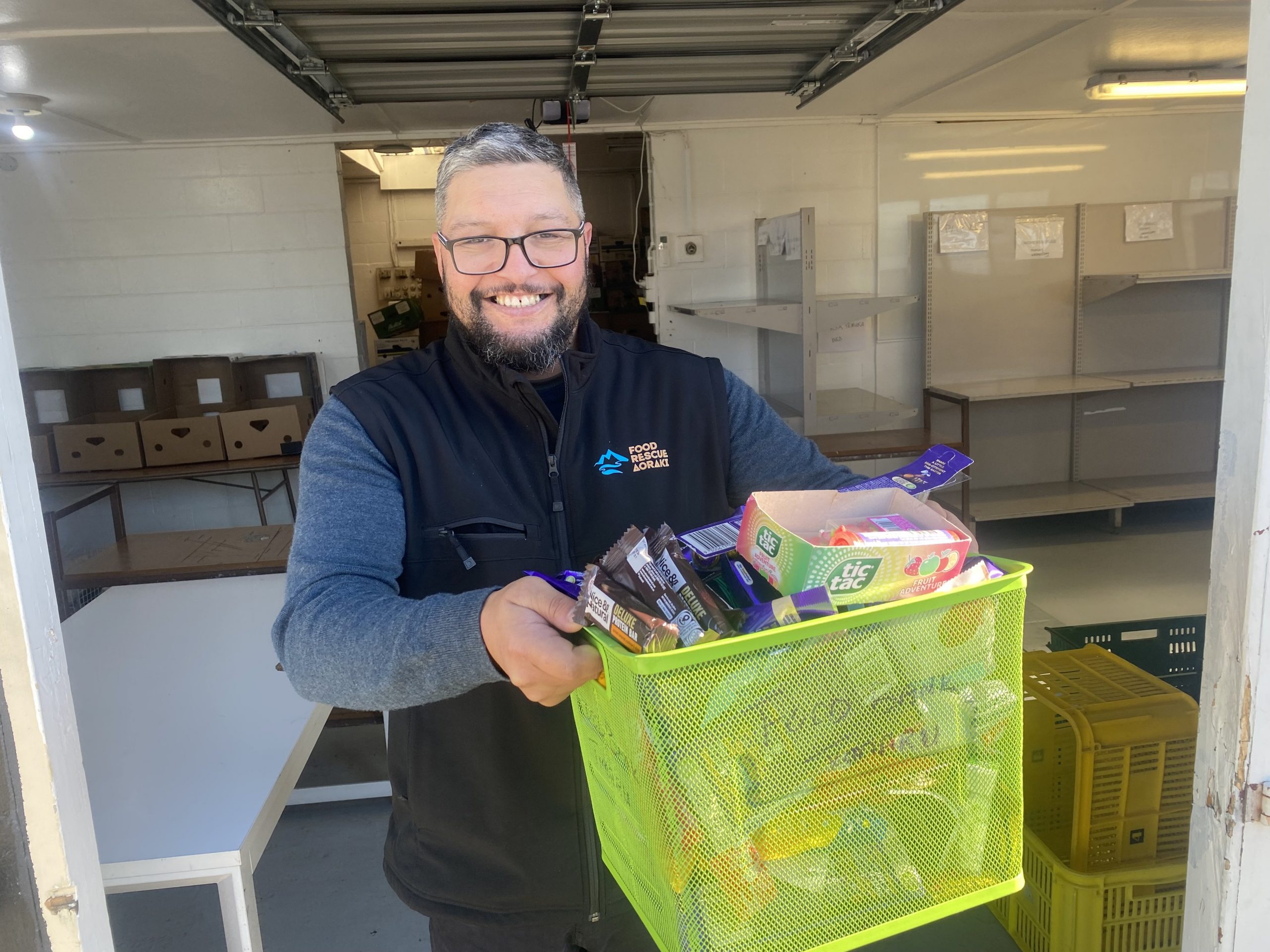
Mr Reihana — who was selected to be the coach of the South Canterbury Heartland’s men’s rugby team earlier this year — has just been appointed new operations manager of Food Rescue Aoraki, following the retirement of founder Helen McKeown.
Mr Reihana said the food rescue role was important for him.
‘‘Having equity in food is really important.’’
‘‘Gone are the days we can stereotype the perception of who requires food assistance,’’ he said.
‘‘Any circumstance could push people to present themselves to a food bank.’’
He said households with two parents working fulltime could still require help.
His mother had been working in community public health for years.
‘‘Now I’m venturing into it.
‘‘If I’m going to do something then there has to be a why.’’
For him his why was seeing the food parcels (which food rescue volunteers and staff packed into banana boxes and delivered to food banks across the region) getting to the hands of people who needed them.
When the food rescue received the food, it was able to get to everyone ‘‘rather than a select few’’.
He said the organisation did not discriminate, food that arrived at their doors was redistributed to organisations around Timaru and Ashburton.
‘‘It comes back to equity and equality.’’
He said donations from supermarkets and food processing companies were invaluable.
‘‘Every little bit always helps.’’
He said due to the the stigma around getting a food parcel, families might not present themselves ‘‘until it is dire’’.
‘‘Until they need assistance, and they need it now.’’
He said along with food, volunteers were always needed.
Mr Reihana said people volunteered for different reasons, and all came from different walks of life, but whatever their reason, they were all important.
He said volunteers were special people who worked in a ‘‘thankless job’’.