A Timaru-based ophthalmic surgeon has returned from Sri Lanka after participating in a charitable outreach project which completed 150 cataract surgeries over Easter weekend.
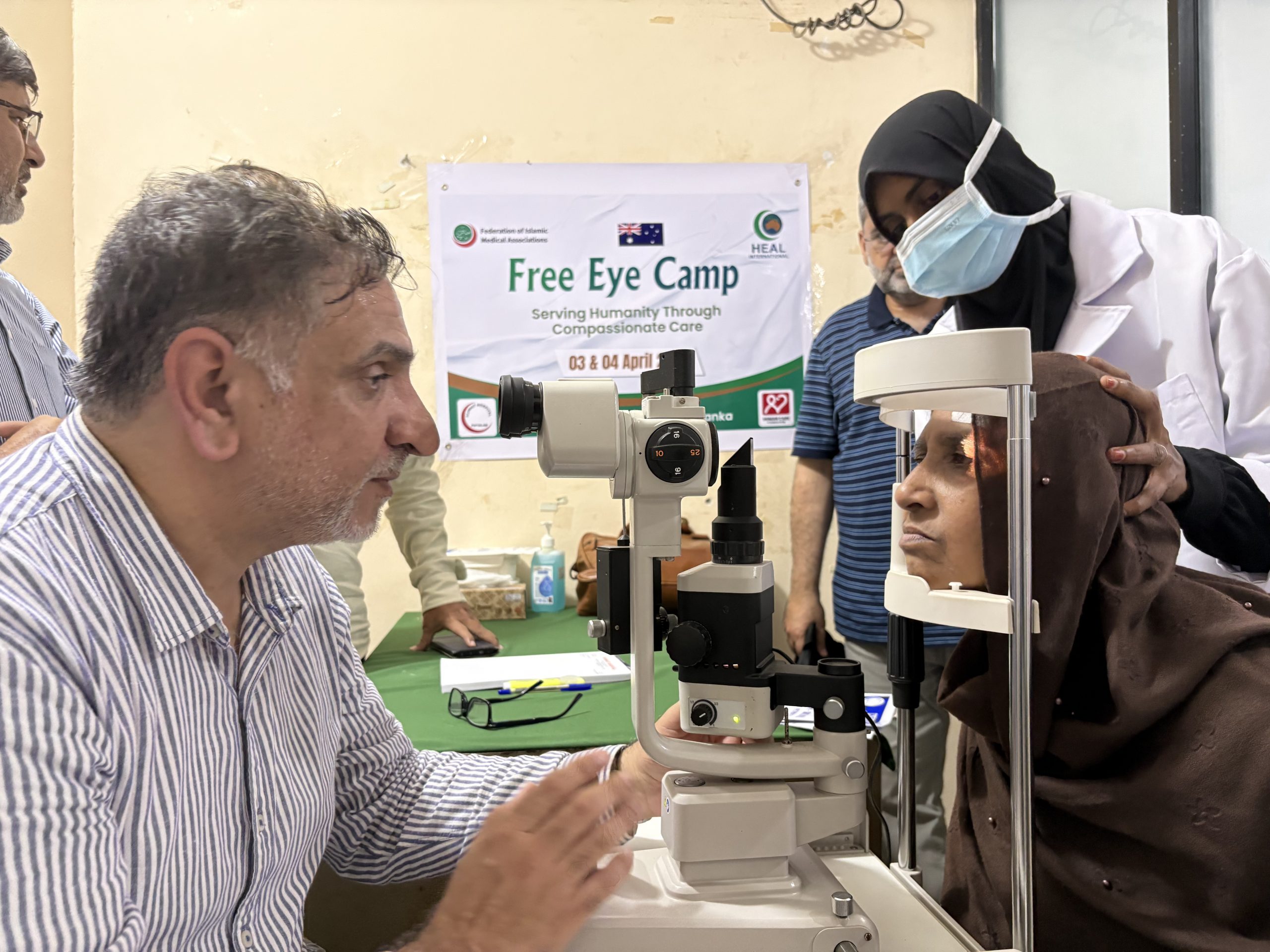
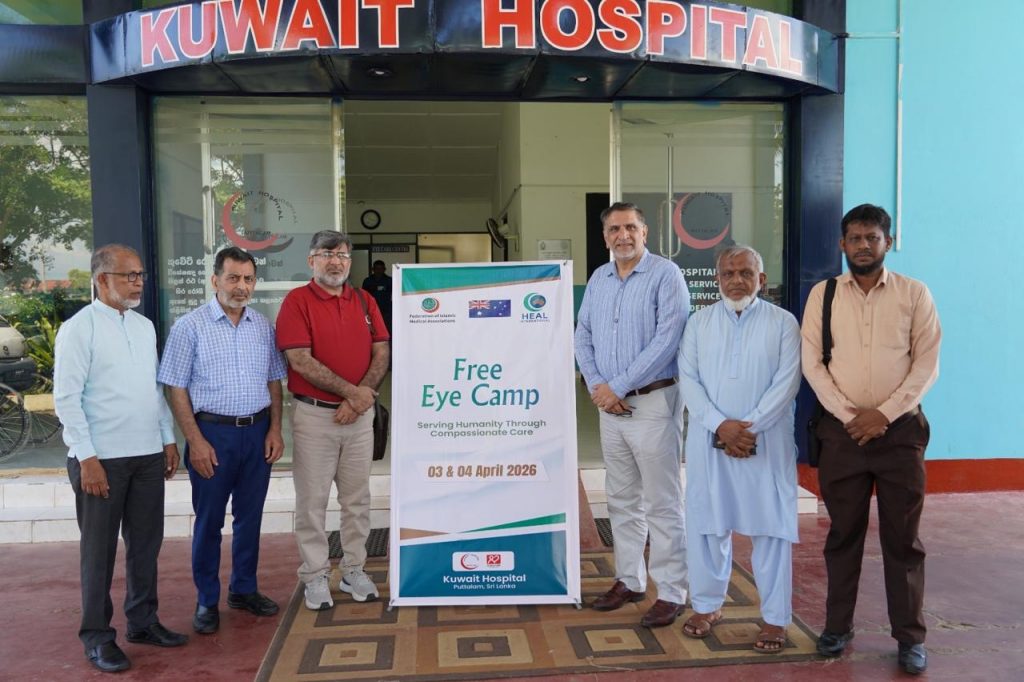
As part of Heal International, a registered charity run by Australian doctors, Muhammad Khalid, an executive member, joined two other surgeons at the Kuwait Charity Hospital in Puttalam to take part in the ophthalmology outreach.
Mr Khalid said he left New Zealand on Thursday, April 2, arrived in Colombo and then set off for Puttalam the following day.
“Although the distance is about 130km, the journey took over four hours.
“Local surgeons had already conducted screening clinics in the community, and we assessed surgical candidates on Friday afternoon.
“Surgical procedures were carried out on Saturday and Sunday, with post-operative reviews on Monday morning, continuing into Tuesday under the care of local doctors.”
He said over the course of the weekend 150 cataract surgeries (phacoemulsification with foldable intraocular lenses) were performed by the three surgeons.
“I typically perform 12 to 15 surgeries in a day session in Timaru with a single scrub team.
“However, due to the availability of more nursing staff during this outreach, we rotated between operating tables and were able to perform approximately 25 surgeries per surgeon per day.
“Many patients had travelled four to five hours and had been waiting years for treatment. Patients ranged in age from their 50s to 80s, both men and women.”
All travel expenses for the outreach project were self funded by the surgeons, and any funds raised were used directly to provide care for the patients.
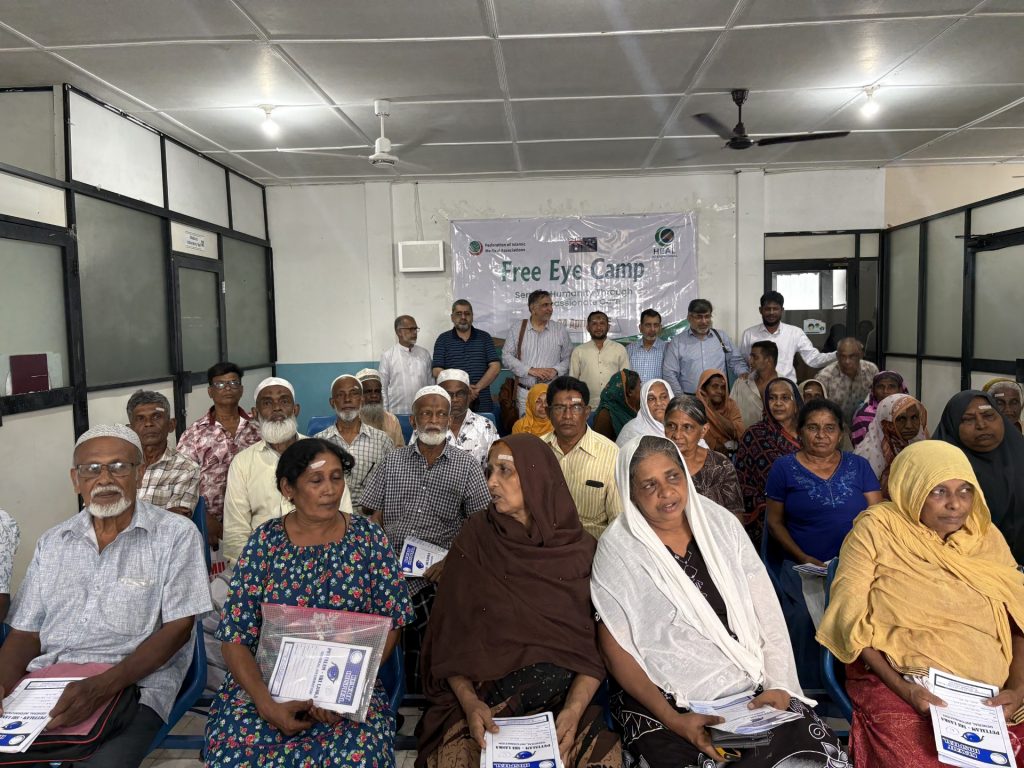
Mr Khalid said cataract surgery had a profound impact on quality of life.
“It reduces admissions to the nursing home by three to five years, reduces the risk of falling leading to a knee or hip fracture, and reduces the risk of depression by three times because people can do what they want to do.
“It’s life-changing for older people, it’s a means of living, they can look after themselves. A lot of these people have not seen anything for many years, just shadows.”
After completing the postoperative reviews, he returned to Timaru and resumed his clinical duties on April 7.
“It was a short but highly rewarding and impactful trip. This was my third such outreach since moving to Timaru 10 years ago.”
He said he had participated in two similar projects in Cambodia, two in Sudan, as well as doing a few projects in Pakistan, where he graduated.
“I have been involved in community work since medical school and early in my career as a junior doctor, inspired by senior colleagues who were deeply engaged in such initiatives.
“I feel that there’s a lot of need out there, which is unmet. I happen to be in a good group with people who are doing it, so I happen to keep doing it.”
There was always a bit of a shock going from doing his work in South Canterbury compared to the outreach project locations, he said.
“For example, when I went to Sudan people hadn’t seen a doctor for five, six, seven years. No doctor had been in the area for that long, let alone a surgeon who could do the surgery for them.
“People really are in need and overall, the number of cataract surgeries needing to be done is increasing more the number of ophthalmologists who can do them.
“The backlog for the surgery is increasing worldwide both in developed and [least] developed countries.”
Mr Khalid said the next project he was aiming to be involved in would focus on vision screening and providing glasses for school-aged children in the Pacific Islands, starting with Fiji in late June or July this year.
“Glasses are expensive in Fiji. A team of optometrists and couple of doctors will go over there and run a school camp where the school children will be assessed for their needs.”
He encouraged people to contribute to projects like these in the future.
“Sometimes we don’t realise how lucky we are living in this part of the world where we can get support.
“If they see a campaign like this, people should contribute and take it seriously because it does make a difference to somebody’s life.”