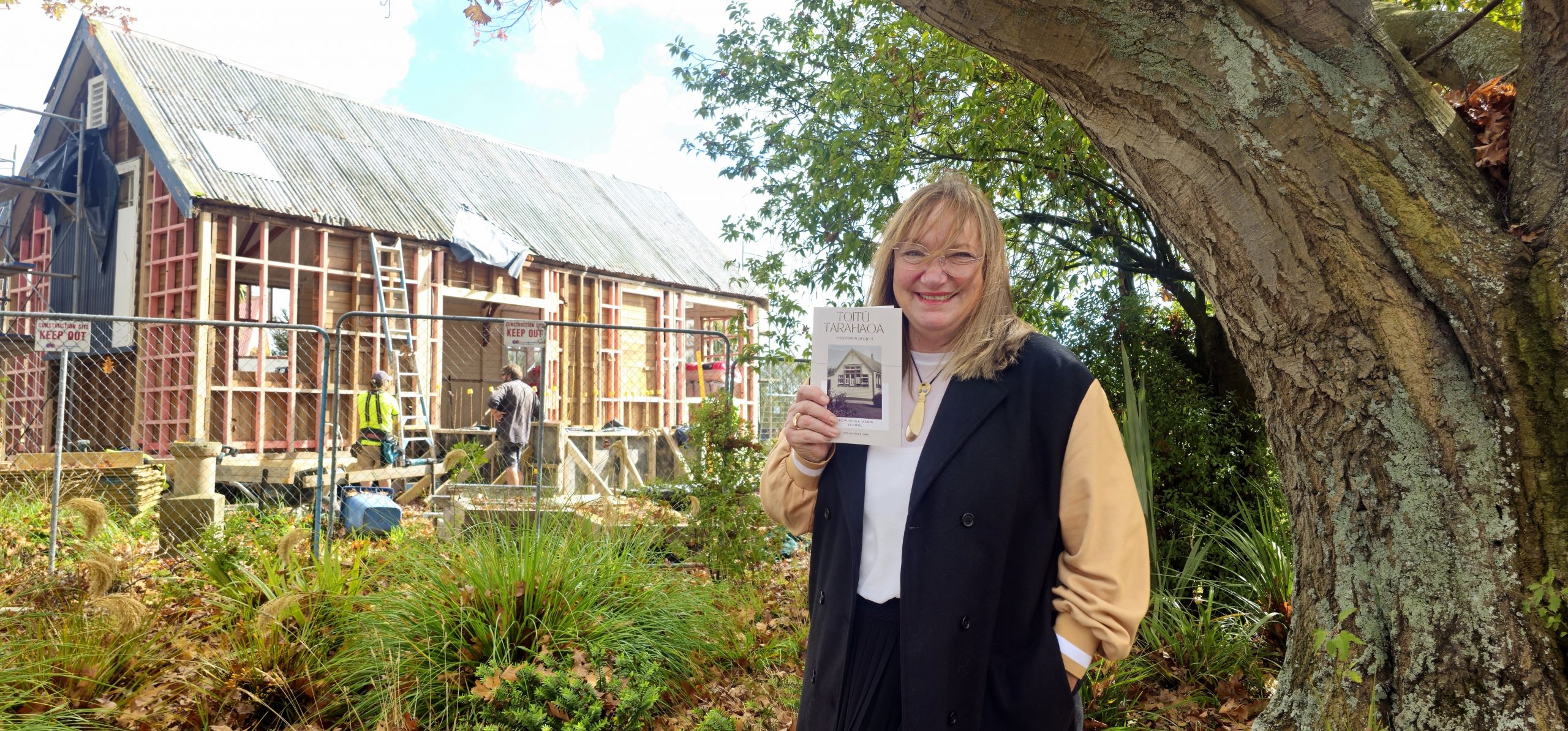
A project to restore a historically significant 131-year old South Canterbury taonga is under way.
Arowhenua Māori School’s original building, Tarahaoa, was built in 1895 and is the only surviving and still in use original native school building in the South Island.
It was built on a single acre section donated in 1894 by Tiriata Te Maihāroa, the daughter of Arowhenua’s founding pacifist prophet, Hipa Te Maihāroa.
Tarahaoa is also believed to be the only school building in New Zealand to have been gifted an ancestral name by mana whenua.
In May 1895 Rāwiri Te Maire, a Ngāi Tahu leader and tohunga, christened the building ‘‘Tarahaoa’’ — the Māori name for Mount Peel, the ancestral mountain of the area.
Arowhenua Māori School tumuaki Bronwyn Te Koeti said discussions around restoring Tarahaoa had been ongoing even before she arrived at the school a decade ago.
‘‘The board of trustees were going ‘we can never get rid of it, we want to do it up’ but being such a small school, it was beyond our scope.’’
In 2019 the first phase of a whole school redevelopment was undertaken under the management of the Ministry of Education and Kāti Huirapa. Under phase two of the redevelopment Tarahaoa was set to be relocated and restored. Whaea Bronwyn said things however, did not initially go to plan.
“In August 2024, the ministry advised that the only option they were considering at that time was the demolition of the building due to cost. This was not something the board was prepared to agree to,’’ Whaea Bronwyn said.
“The board created a subcommittee, and we worked closely with Heritage New Zealand and the ministry through a number of constructive meetings, which resulted in a compromise.
“The ministry is funding the work required to make the building weatherproof, structurally sound, and secure, including a new roof. Once that stage is complete, responsibility will return to the board for the remaining restoration.
“It is a significant cost for the school, and we are currently in the process of applying for grants and exploring funding opportunities.”
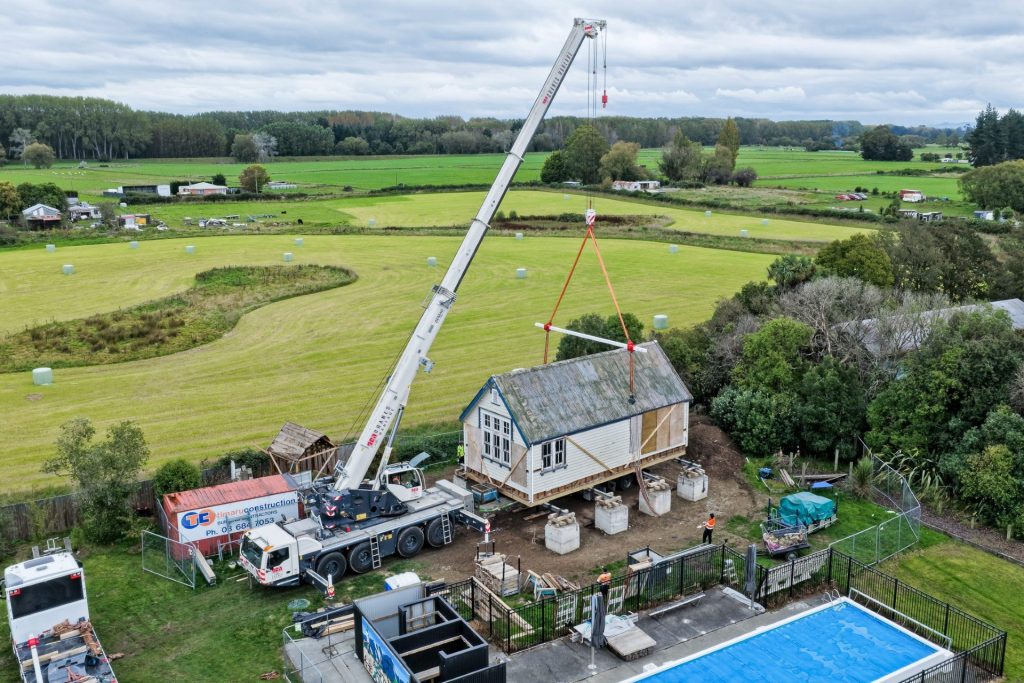
Initial site work officially began in January and Tarahaoa was lifted and relocated to its original position at the front of the kura last month, where strengthening and restoration work is now under way.
Whaea Bronwyn said it was an important project for the school in many different ways.
“It’s an example of basically 130 years of New Zealand’s history. While some people might question the worth and the cost, you can’t put cost on whakapapa (genealogy, lineage, and descent).
“If we were not able to, which unfortunately has happened elsewhere because it was not viable, it would be like turning our backs on the whakapapa of the children that come to our school now.
“It’s also about restoring the mauri [life force] or hauora [health and wellbeing] of the school because we know that the last 130 years of education for Māori has not been equitable.
“Rather than demolish it and turn your back on it, I think we need to actually have our children aware of it and live it. You can’t heal if you ignore and turn your back, that’s how all of us feel here.”
She said the school was now up to its sixth generation of returning whānau and had always resisted any attempt to have Tarahaoa pulled down.
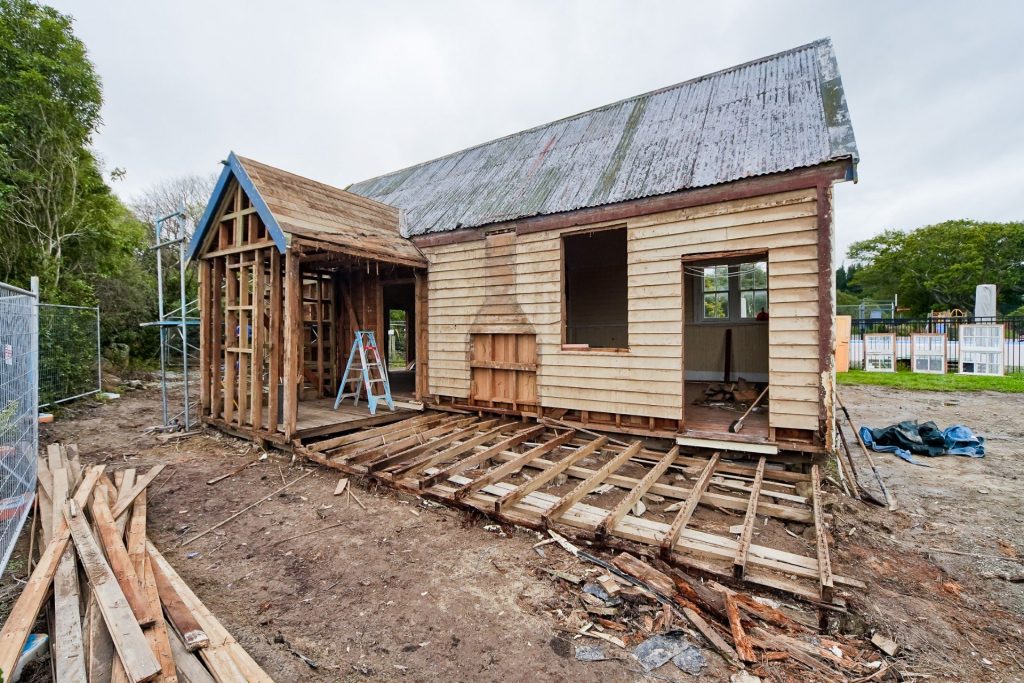
“In the 1950s when the Canterbury Education board funded the construction of a larger school building to accommodate larger enrolments, the community pushed for the retention of Tarahaoa, who was then consequently relocated to the southwest corner of the school.
“That’s why we’ve moved it back, this is his return. The funny thing is, that was 65 years after the school opened and we’ve moved it back 65 years later.
“We have also pointed him due north, which means he now points towards Tarahaoa.”
Whaea Te Koeti said the hope was to have the project completed by the end of 2027 and she welcomed any support from individuals or organisations around South Canterbury.
“While we’re going for larger grants, we want to involve our whānau, and we want them to be part of this. Even if people are wanting to just put in their skills and time.
“Whoever’s been a part of the project, they will be significantly recognised somewhere within the project, not just in the back of a book or something. It’ll be something quite significant in the construction.
“We welcome the support of our wider community to help bring this vision to life for our tamariki and future generations.”
She said she was looking forward to seeing the project progress and thanked the groups and individuals involved in getting it to this point.