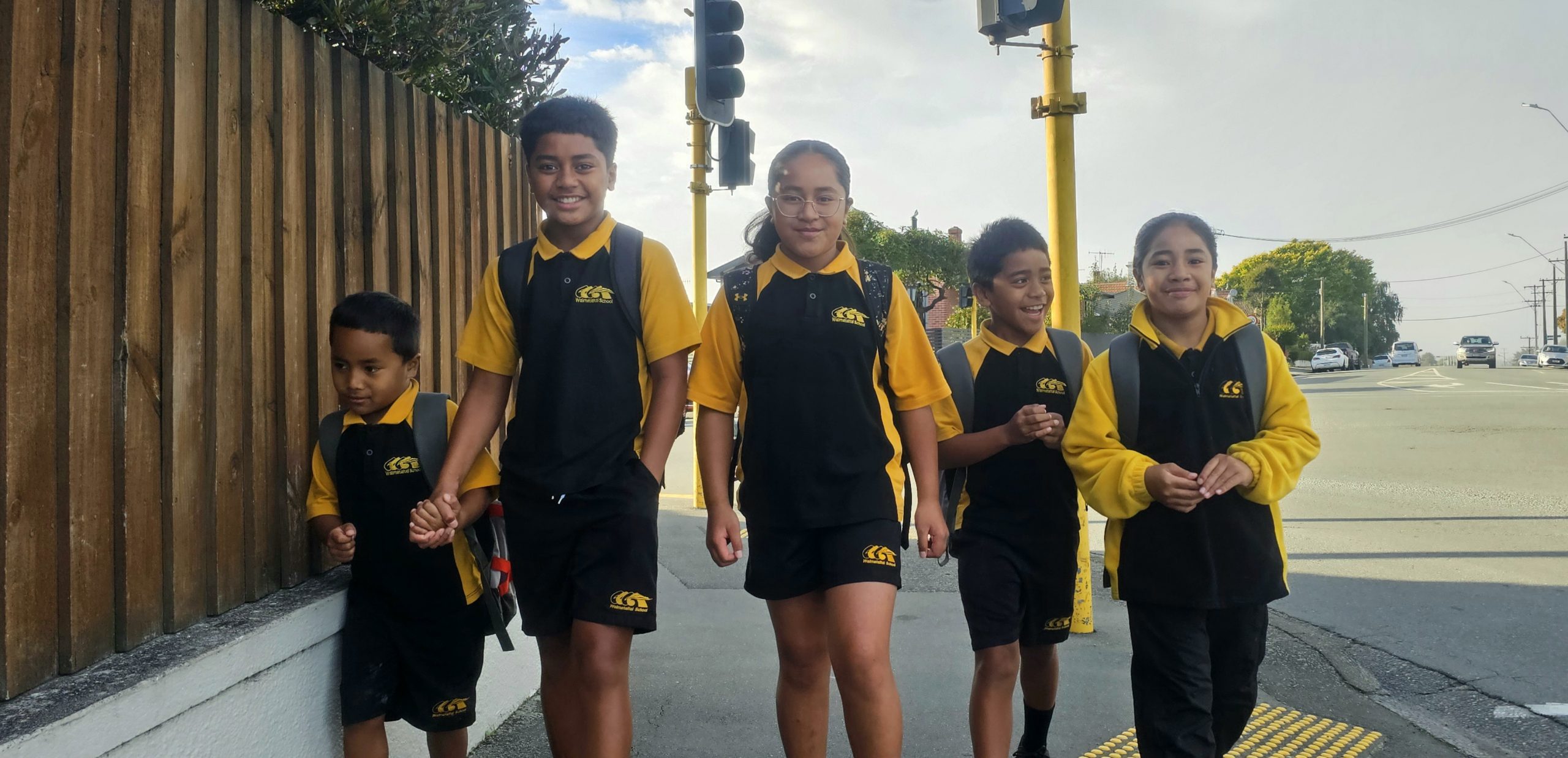
Waimataitai School is one several South Canterbury primary schools stepping up to reward and encourage active transport methods for pupils when travelling to school.
Active transport is using methods of travel like walking, cycling, scootering or any other form of travel that involves being physically active.
Waimataitai School associate principal Michelle Bransden said the school had been using different initiatives each term to encourage pupils to use active transport methods.
‘‘We’re starting off with tokens this term, they choose their house colour token, post it in in the office, and then we count them up. That goes towards the fortnightly points and the house that gets the most points gets what we call an acknowledgement, and that leads to 10 minutes extra play.
‘‘That then goes towards a full term acknowledgement, which can turn into a whole afternoon of something. Sometimes they go to CPlay, or CBay, and then there’s a whole year reward as well.’’
She said it was important to encourage pupils who lived close enough to school to walk, bike or scooter.
‘‘It’s a healthy way to get fitness in, it’s nice for well-being, and it’s a good way of getting ready for the start of a school day.
‘‘We’re getting an Active Transport team together, we had a meeting last week, we’re going to brainstorm other ideas and the plan is to get some posts out on Facebook and our HERO website to promote it.
‘‘I’ve been making digital videos for PB4R [Positive Behaviour for Learning] but I want to make one for Active Transport as well as another way to promote it.’’
The school also had several ‘‘drop-off points’’ around the area for pupils who lived a little further away to be dropped off at so they could still safely take part in the initiative.
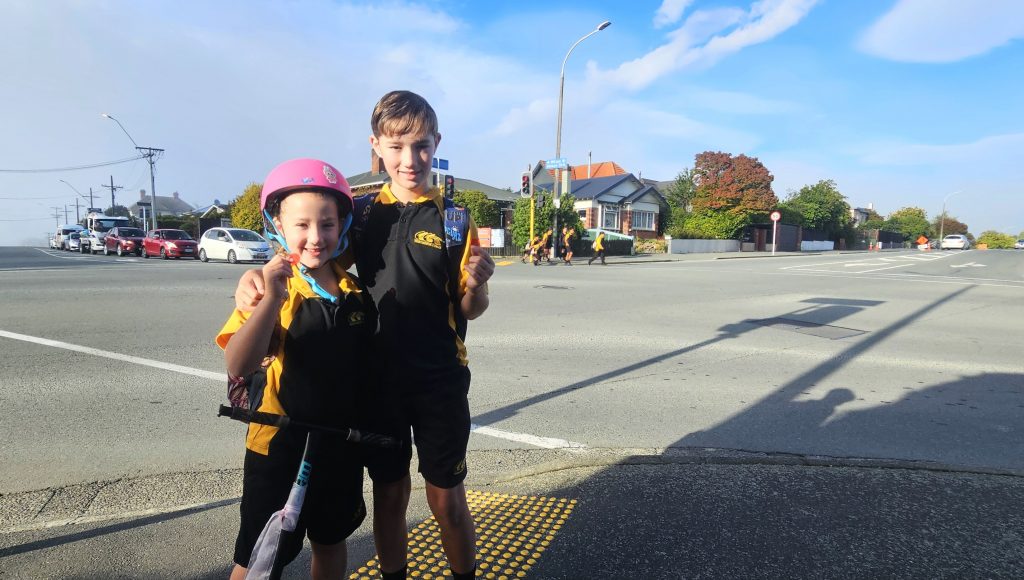
Waimataitai School pupil Carter Shearer said he enjoyed the exercise part of walking to school as well as getting to meet his friends along the way.
His sister Eden, who scootered to school, said she loved trying to beat her brother there.
‘‘It’s really fun, and sometimes I get to see people walking their doggies.’’
Pupil Fakava Amato walks to school every day with his two brothers and two sisters and said it was a fun way to keep fit and spend time with his siblings.
Health New Zealand National Public Health Service Health promotion adviser Jane Sullivan said using active transport methods to travel to school was very beneficial for children both physically and mentally.
‘‘The thing about physical walking is it actually helps a young person reach their physical activity national guidelines, which is 60 minutes per day. There’s evidence to show that children who walk to and from school are more likely to reach that target.
‘‘The other thing is about independent mobility, it’s really good for kids to be able to explore their environments. They take notice of what’s around them, and they learn citizenship.
‘‘With a young family walking together for example, they take a sense of responsibility of looking after younger children when they’re walking to school. They meet their friends, and it’s a good chance to connect.’’